
🏺 The Poor Relative of the Visual Arts
Visual artists usually only use ceramics in the context of tile work: tile panels commissioned for building façades.
Artistic ceramics is considered by some to be a minor art within the universe of the visual arts, despite a strong movement in the opposite direction.
Some galleries even refuse to accept artists whose work is mainly made in ceramics. And what is the reason for this prejudice?
For many years, clay was seen merely as a means to achieve a final result: sculpture in stone or bronze. In stone sculpture, mistakes are irreversible, and to ensure success a model must be made (usually in plaster or clay), which is then transferred to the stone block through a system called “pointing” (an indirect method). For example, the sculptures of the Monument to the Discoveries were made from clay models.

Often, it was the artist’s assistants who carved the stone after the “originals” had been created in clay.

Bronze sculpture usually uses a clay model. The model can also be made in plaster: liquid wax is poured to obtain a copy of the original. If the model is in plaster, the mold is made in silicone.

Finally, a mold is made in refractory material (for example refractory cement or plaster with fiberglass) around the wax piece, into which molten bronze is poured.

Therefore, clay has always been seen as a secondary material, merely a means to achieve a final artwork.
Its fragility compared to stone and metal also contributed to this prejudice.

Today, artistic ceramics manifests itself through drawing, painting, sculpture, bas-relief and high relief, and has the possibility of incorporating other materials, but above all, it has the ability to combine several of these qualities into a single work.
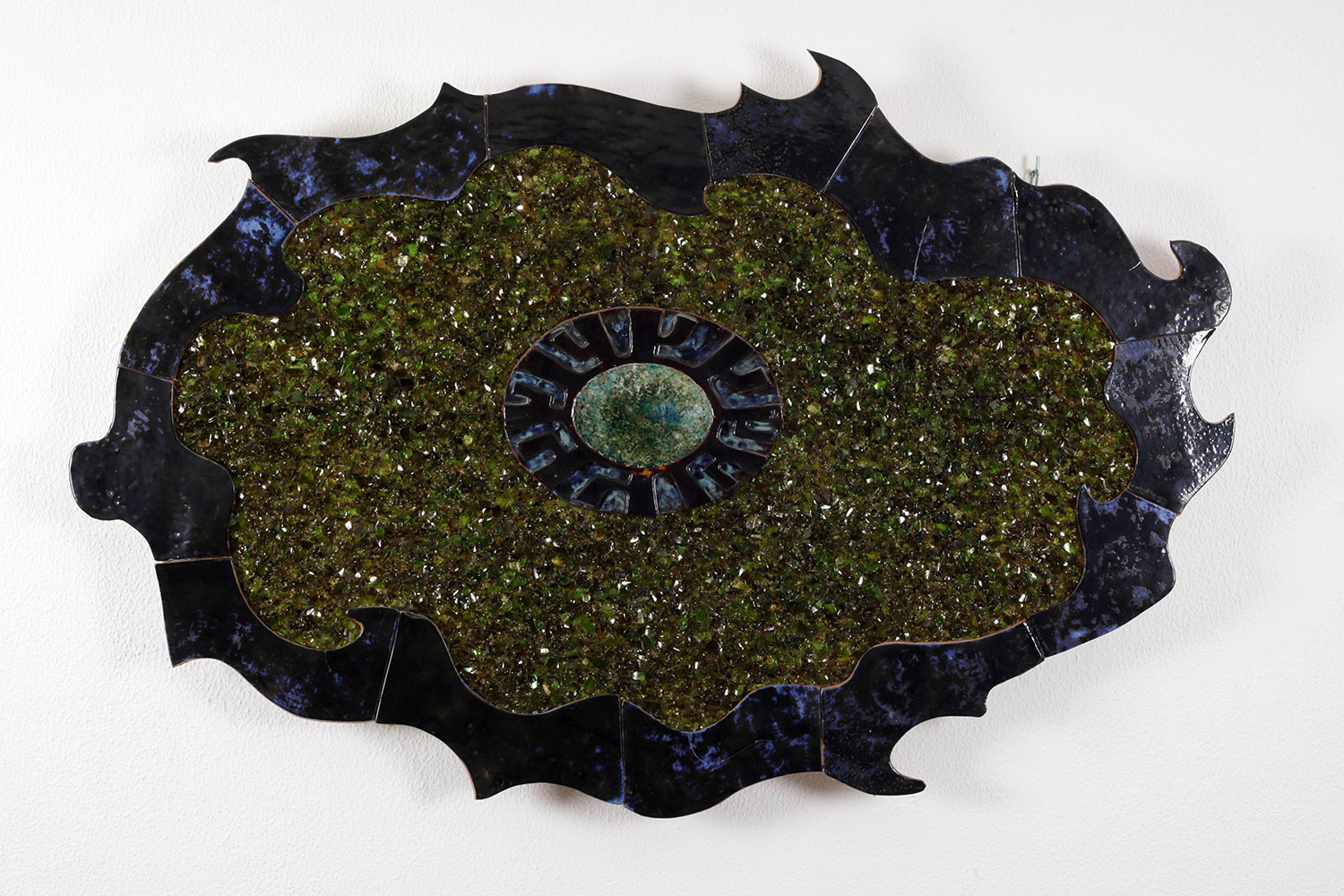
If we also consider the fascination of opening a ceramic kiln after 24 hours, in anxious anticipation… and finally finding our work “safe and sound” and covered in vibrant and unusual colors, we realize we are in the presence of a truly fascinating art.
There were great artists such as Picasso who fell in love with artistic ceramics, although they never fully explored its potential. But the biggest issue that Artistic Ceramics faces today is that it can have a strong visual impact and… be Beautiful! The dominant artistic movement is conceptual art, which values the idea behind the work more than the finished product — sometimes the product does not even need to exist.
Our contemporary art has allowed new artistic expressions to join the exclusive world of traditional painting and sculpture. Unfortunately, it also brought disdain for craftsmanship, ostracizing and trivializing aesthetics in favor of the political and/or philosophical imprint of the work. It allowed subjectivity to reign in this anarchic and elitist world. I consciously stand against this trend and take pride in not being part of the mainstream.